The Risk Worth Taking
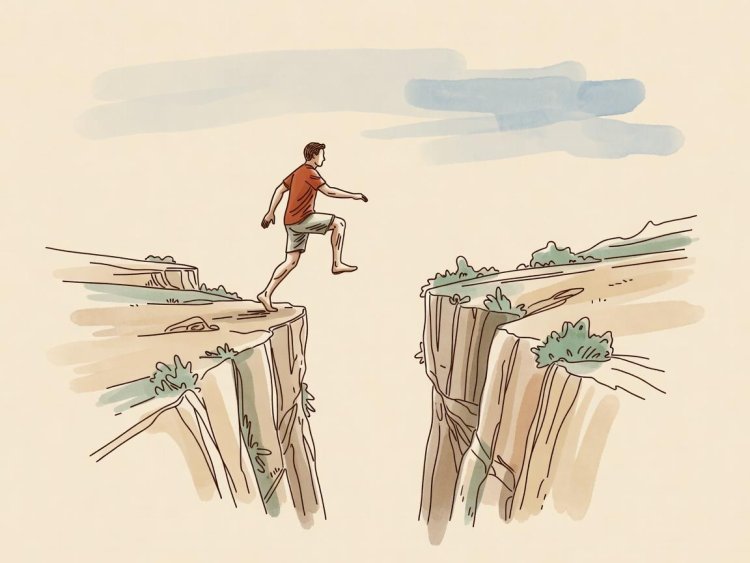
Some books don’t just teach you something new — they shift the way you see what’s possible for your own life. Right now, there’s a growing number of readers turning to stories that combine practical skills with real emotional transformation, especially around money and freedom. These books tend to stay popular because they don’t just give advice; they show what it actually feels like to break out of a life that no longer fits and build something better.
One title that has been resonating strongly with readers is The Risk Worth Taking: A Story of Breaking Free and Trading for the Life You Love. It’s written as a story rather than a dry textbook, which seems to be part of why so many people are connecting with it. Instead of just listing trading strategies, it follows one woman’s journey from feeling completely burned out in her corporate job to discovering a completely different way of living through stock trading.
The main character, Erin, starts in a place many people will recognize — working long hours, feeling drained, and wondering if this is really all there is. Then something unexpected happens that forces her to stop and question everything she’s been doing. From there, she slowly steps into the world of trading. What makes the story feel real is that it doesn’t pretend the journey is easy or instant. Erin has to learn, make mistakes, deal with doubt, and slowly build both her skills and her confidence. Along the way, trading stops being just about money and becomes a way for her to reclaim her time, her energy, and a sense of purpose she had lost.
What readers seem to appreciate most is how the book balances two things that don’t always show up together: practical tools and emotional honesty. On one side, it walks through real trading concepts in a way that feels approachable, even for someone who has never traded before. On the other side, it spends time on the internal shifts — the fear of taking risks, the old beliefs about money and security, and the courage it takes to bet on yourself. Many people are saying that reading Erin’s story helped them see trading not just as a skill, but as a possible path to a completely different kind of life.
Another reason this book appears to be connecting with so many readers is that it doesn’t promise overnight riches or easy success. Instead, it focuses on the real work of learning, staying disciplined, and building confidence over time. Erin’s journey includes setbacks and moments of doubt, which makes her transformation feel believable rather than like a fairy tale. Readers who are tired of get-rich-quick messages seem to find this honesty refreshing. It gives them permission to start small, make mistakes, and keep going without feeling like they’ve already failed.
What also stands out is how the book expands the idea of what trading can actually give someone. It’s not only about making money in the market. Through Erin’s eyes, trading becomes a tool for designing a life with more freedom — the ability to work from anywhere, spend time on what matters, and stop feeling trapped by a traditional job. Many readers are sharing that this broader view is what finally made them curious about trading, even if they had never considered it seriously before. It turns the conversation from “how do I make more money?” into “how do I create a life I actually want to live?”
Of course, not every popular book will be the right fit for everyone, and this one is no different. Some readers might be looking for highly technical trading systems, while others want pure inspiration without any practical steps. This book seems to sit in the middle — it offers real strategies and tools while also telling a story that makes those tools feel human and achievable. If you’ve ever felt stuck in a job or lifestyle that drains you, and you’re curious about whether trading could be part of a different path, this kind of book tends to land at exactly the right time.
I’ve noticed that books like this often stay popular because they give people both hope and a starting point. They don’t just say “you can change your life.” They show one person actually doing it, with all the messy middle parts included. That combination seems to be what keeps readers coming back and recommending it to others.
If you’ve been thinking about trading but feel unsure where to begin, or if you’re simply looking for a story that reminds you it’s okay to take a risk on yourself, this is the kind of book that might be worth exploring. It doesn’t promise that everything will be easy, but it does show that change is possible — and that sometimes the biggest risk is staying exactly where you are.
I’d love to hear from you — have you read any books lately that made you think differently about money, work, or freedom?